



Coquimbo, Landau, 12 August 2026.
Since 2021, a research group led by Dr. Alejandro Simeone (1) has been conducting research on the population, breeding success and foraging of the Humboldt penguin in Chile on behalf of Sphenisco. The project is funded by the Karlsruhe Zoo Conservation Foundation, Dresden Zoo and the Hagenbeck Zoo Association. Guillermo Luna-Jorquera (2), Nicolás Luna (2) (3), Karen Lau (2), Mylene Seguel (2) (4) submitted a final report in August 2026 regarding the breeding success in the period 2021 to 2025. The report is entitled "Reproductive behaviour of the Humboldt penguin (Spheniscus humboldti) on the islands of Chañaral and Choros in the "Pingüino de Humboldt" National Reserve, period 2021–2025" (see PDF file). The researchers plan to publish the report in a journal. Excerpts and short chapters are reproduced below:
News


Karlsruhe, August 11, 2026. The island of Choros in Chile is a popular breeding area for Humboldt penguins. Some of them even breed in the middle of the island, which is about 500 m wide. Due to the strong differences in elevation, they overcome up to 300 (!) meters in altitude to get to the coast and the sea. This example alone shows how much there is still to discover about the life of Humboldt penguins on the coasts of Chile and Peru.

Landau, August 3, 2026
C H I L E
+++“Show Your Face!” Initiative+++
In early June, Fundación Sphenisco Chile reached out to political leaders and the public—both through a letter and in person—to advocate for better protection of Humboldt penguins. In doing so, the foundation referred to the “Show Your Face!” initiative and the report on World Penguin Day. https://sphenisco.org/es/startseite-es/news-es/welt-pinguin-tag-im-zeichen-der-krise-des-humboldt-pinguins-es
Landau, May 25
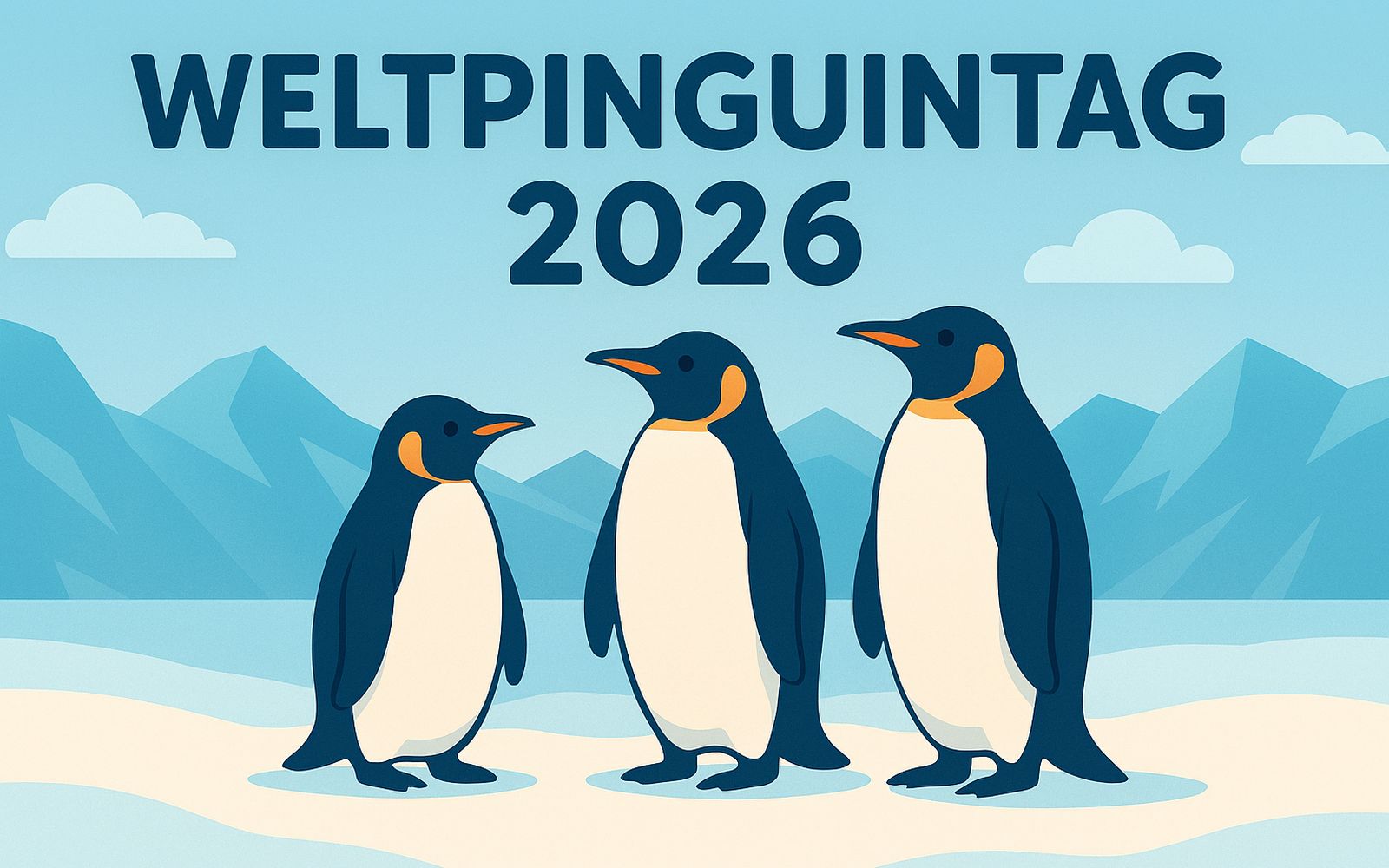
The NGO Acorema (Peru) and the Fundación Sphenisco Chile launched the campaign “¡Salvemos juntos al pingüino de Humboldt!” (1) to mark World Penguin Day 2026. The survival of Humboldt penguins is threatened by highly pathogenic avian influenza (H5N1), El Niño, overfishing, bycatch, and disturbances or destruction of breeding sites. As of the end of 2025, the Chilean population had declined by 63% compared to 2021/22. Currently, there are only 1,001 breeding pairs remaining (2). This sharp decline prompted Chilean authorities to upgrade the species’ conservation status from “vulnerable” to “endangered.” In Peru, the population declined by 70% in 2024 compared to 2023. At the beginning of 2024, only 5,035 molting penguins were counted (3). The sharp decline in the population could be dramatically exacerbated by a new outbreak of avian influenza—detected in Chile in March 2026—and an El Niño phenomenon forecast for late 2026.
Landau, February 2, 2026
C H I L E
+++Literary competition “The Humboldt Archipelago in 110 words”+++
Following the great success of the literature competition in 2024, Fundación Sphenisco Chile announced that it would be holding the competition again at the end of 2025. The deadline for entries has now been extended to March 31, 2026. The winners can look forward to sailing trips to the Humboldt Archipelago (including a companion) and through the “Pingüino de Humboldt” nature reserve with observations of marine animals. The project is supported by the municipality of La Higuera, international organizations such as Sphenisco e.V., the sponsors Rostock Zoo and Ouwehand Zoo Foundation, as well as national and local organizations (see also article “Second Literature Competition...” from November 9, 2025).
Landau, December 2, 2025
C H I L E
+++InfoPoint Yerba Buena+++
In the municipality of La Higuera, an information point on the Humboldt Archipelago ecosystem has been opened. It is the first in the municipality. (see the article InfoPoint Yerba Buena – Opening", October 16 and "InfoPoint – Information", October 23).

Landau, October 3, 2025
C H I L E
+++ Scientists call for rejection of “Dominga” +++
Scientists from Chile and around the world conducting research in the Humboldt Archipelago have issued a statement urging the Chilean authorities to reject the “Dominga” mining and port project once and for all. The newspaper El Mostrador (1) reported on the statement on August 4, 2025 (see article “Scientists call for rejection ...” dated Septemb 2025 (see article “Scientists call for rejection ...” from September 18, 2025).

7th of August 2025
C H I L E
+++Research Population, breeding success and foraging+++
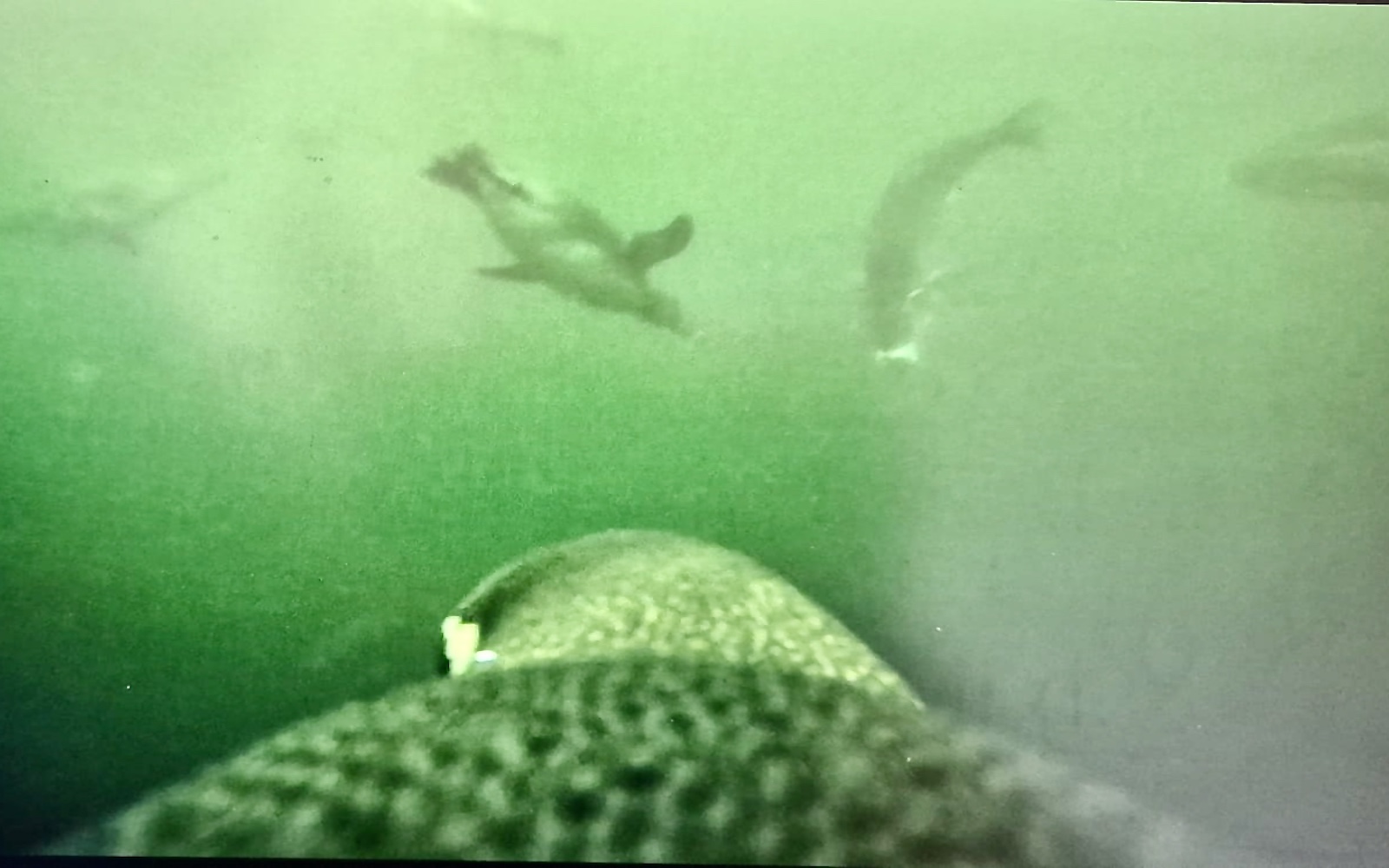
In May and June, Dr Alejandro Simeone's team once again studied the population and foraging behaviour on several Chilean breeding islands. Thomas Mattern (University of Otago, New Zealand) led the foraging studies and reported on 15th of June: "After a few intense weeks, I have now returned to New Zealand from Chile. The first week and a half of my stay was difficult due to the weather, but in the following three weeks, the work picked up speed. ... Here is a brief summary:

Landau, 7th of April 2025
C H I L E
+++Sphenisco Chile+++
Sphenisco Chile is focusing its work this year on citizen participation in the design of the Humboldt Archipelago Marine Protected Area. Nancy Duman's team will hold audiences with all the new regional and municipal authorities in the municipalities of La Higuera, Coquimbo, Freirina, La Serena, as well as the governors and environmental advisors in the regions of Atacama and Coquimbo. During the talks, the employees will advocate for the protection of the archipelago and its sustainable use. In addition to ongoing advocacy, the team plans to repeat the successful literary competition “the Humboldt Archipelago in 110 words” and continue the Sintonía Humboldt video podcast. The following projects are also to be realized:
- “Humboldt Penguins in the Neighborhood” (murals in villages),
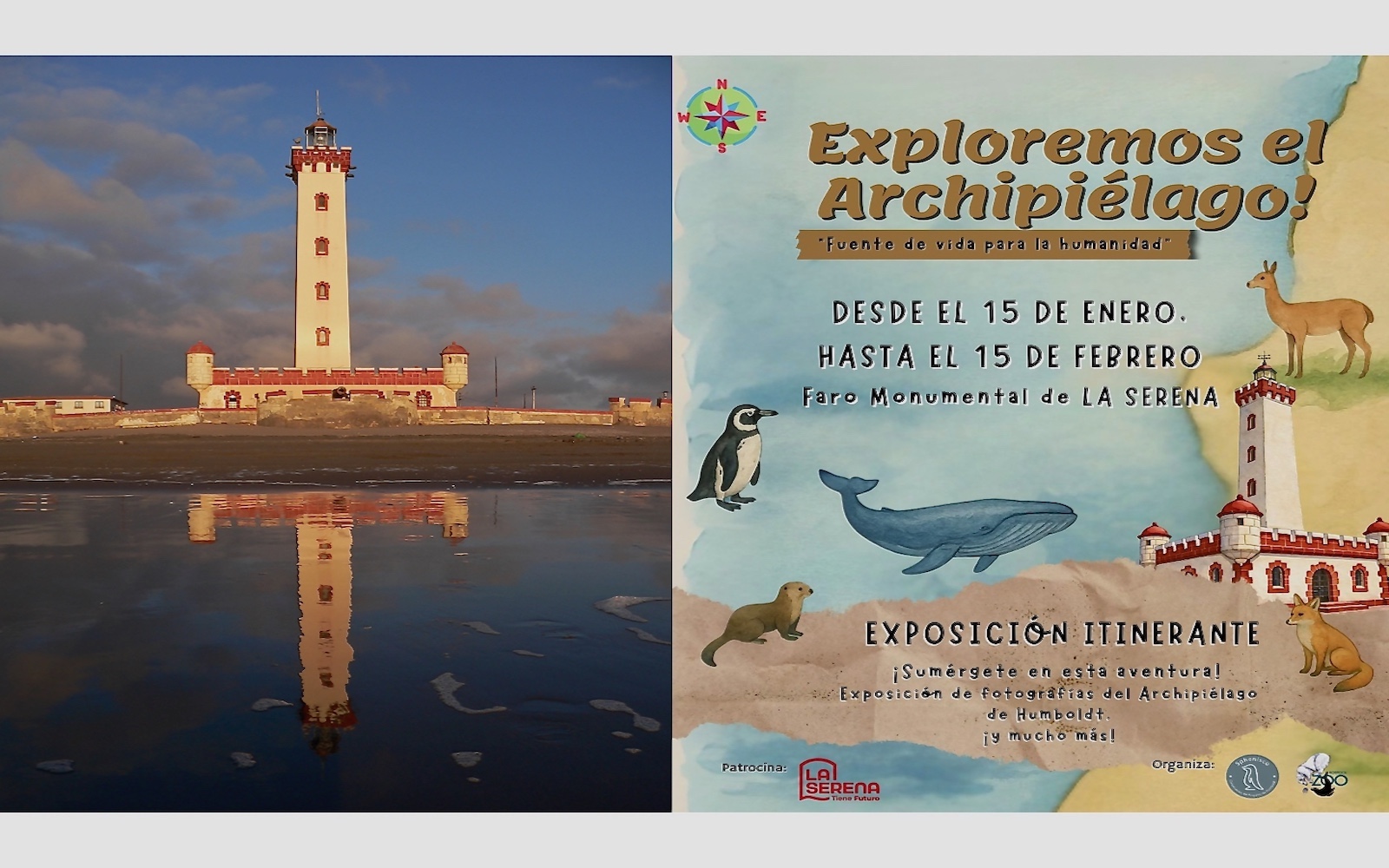
- Humboldt Archipelago” traveling photo exhibition in the communities of La Higuera and Coquimbo,
- Organization of natural history hikes,
- the establishment of information points in the village of Chungungo and near Yerba buena.
Subcategories
Sphenisco e.V.
Note
All images are the property of Sphenisco e.V. or the photographers named.
Use is only permitted after consultation and approval.
