Landau, October 20, 2026.
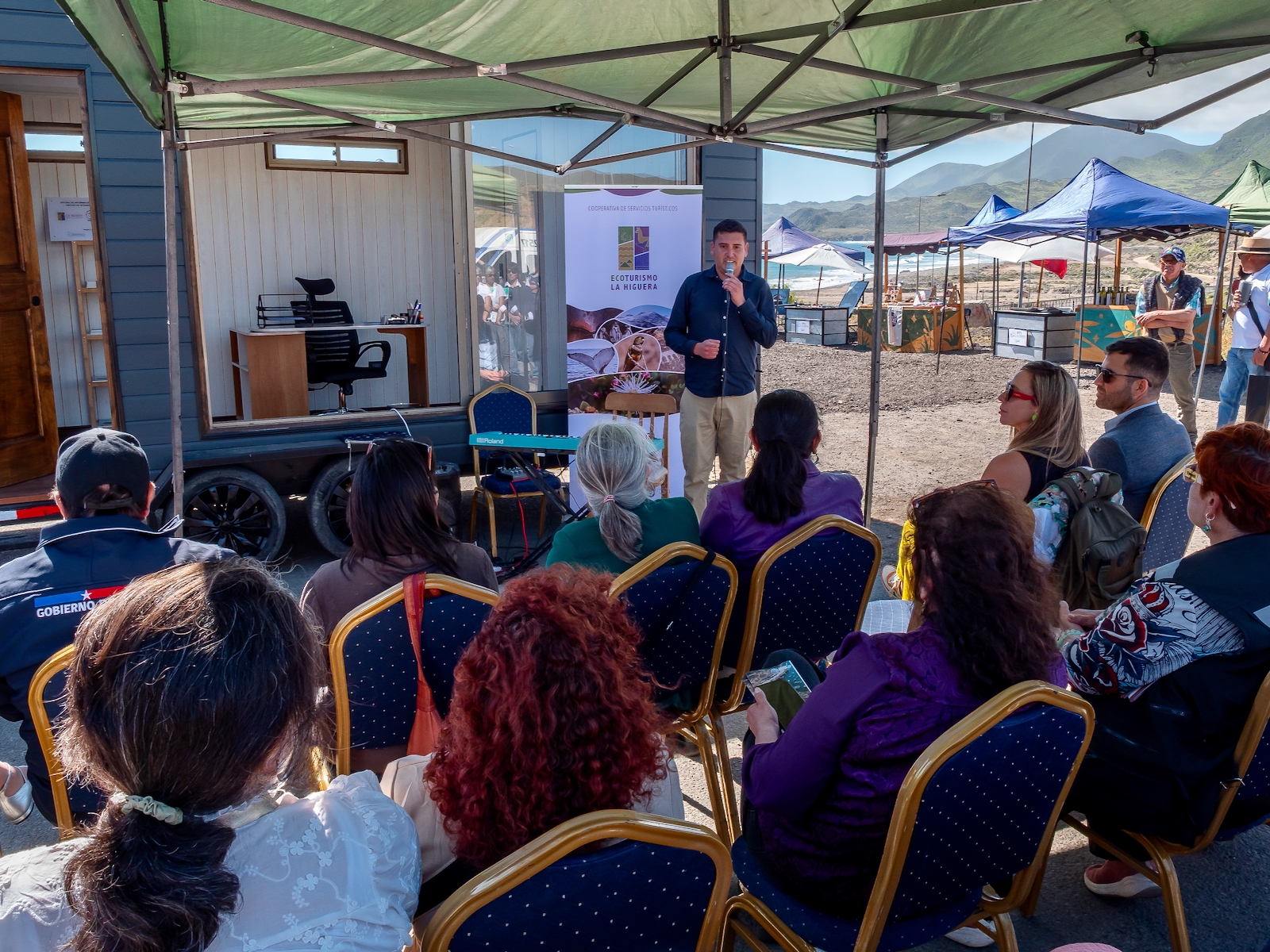
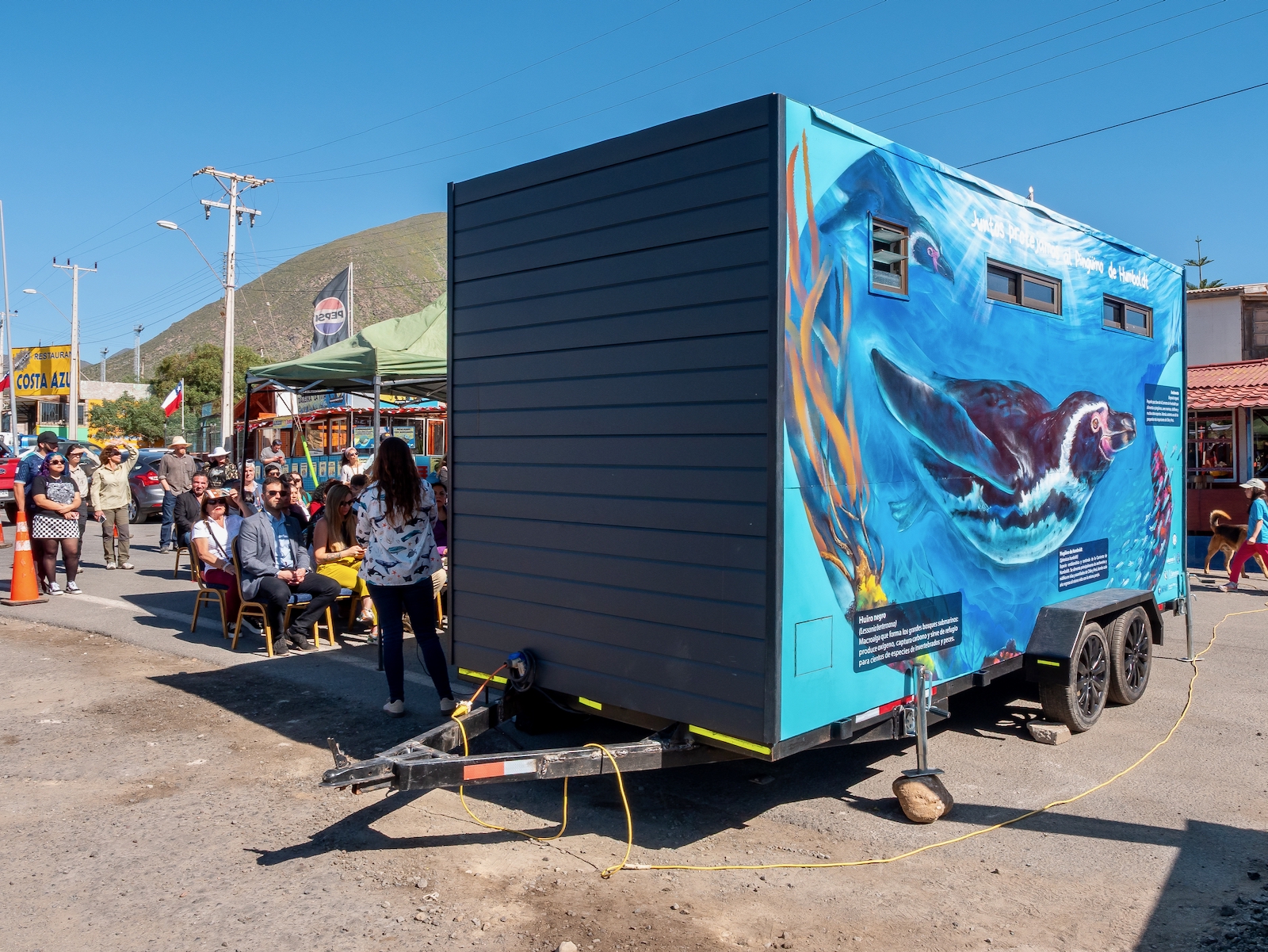
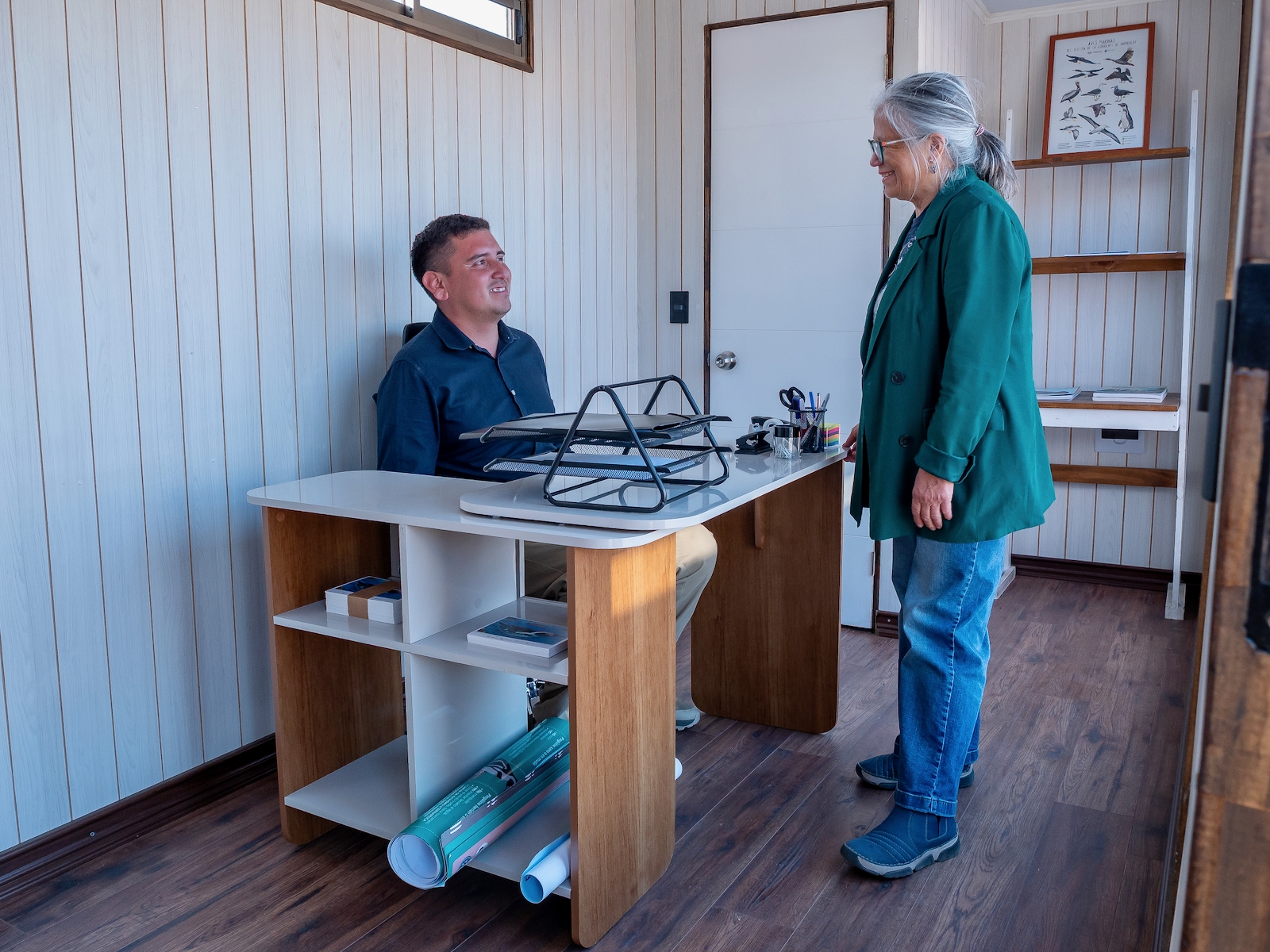
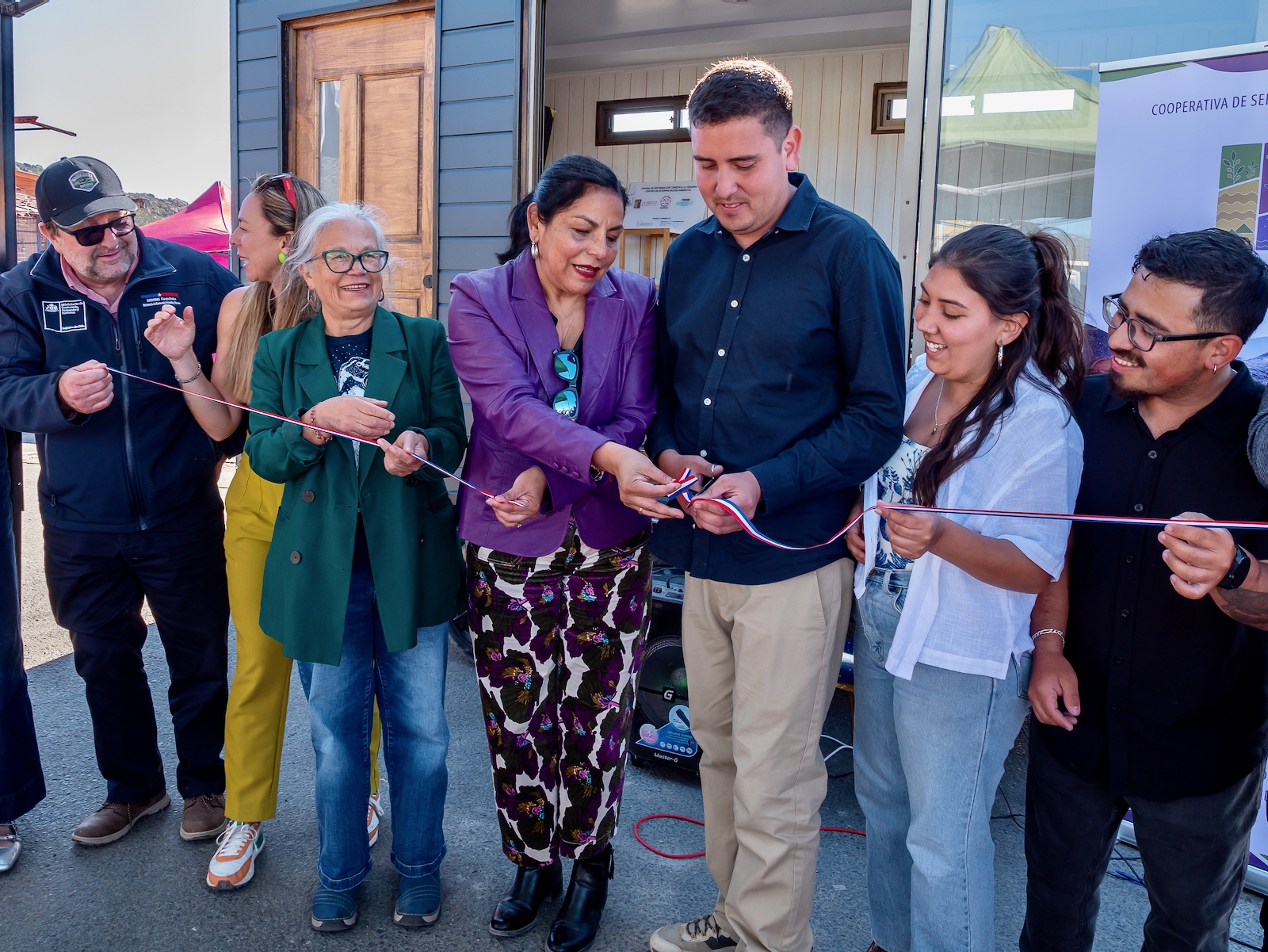
On October 9, 2026, the moment had finally arrived: the mobile information center for tourism and nature conservation - affectionately nicknamed the “Penguin Mobile” because of its design - was inaugurated in Caleta Los Hornos, northern Chile. The mobile office will travel throughout the entire municipality of La Higuera to raise awareness of its natural, cultural, and archaeological treasures. Designed as a meeting place for visitors, local communities, and tourism providers, the new office is driven by a vision to combine tourism with environmental education, science-based public outreach, and the protection of natural heritage. It promotes a model of tourism that serves the well-being of citizens and the preservation of ecosystems. This unique project was initiated by the environmental movement Camancha (2) and implemented in cooperation with Fundación Sphenisco Chile. The Camanchaca group is made up of the sons and daughters of small-scale fishermen who now work in tourism.
Linking Tourism, Nature Conservation, and the Local Community
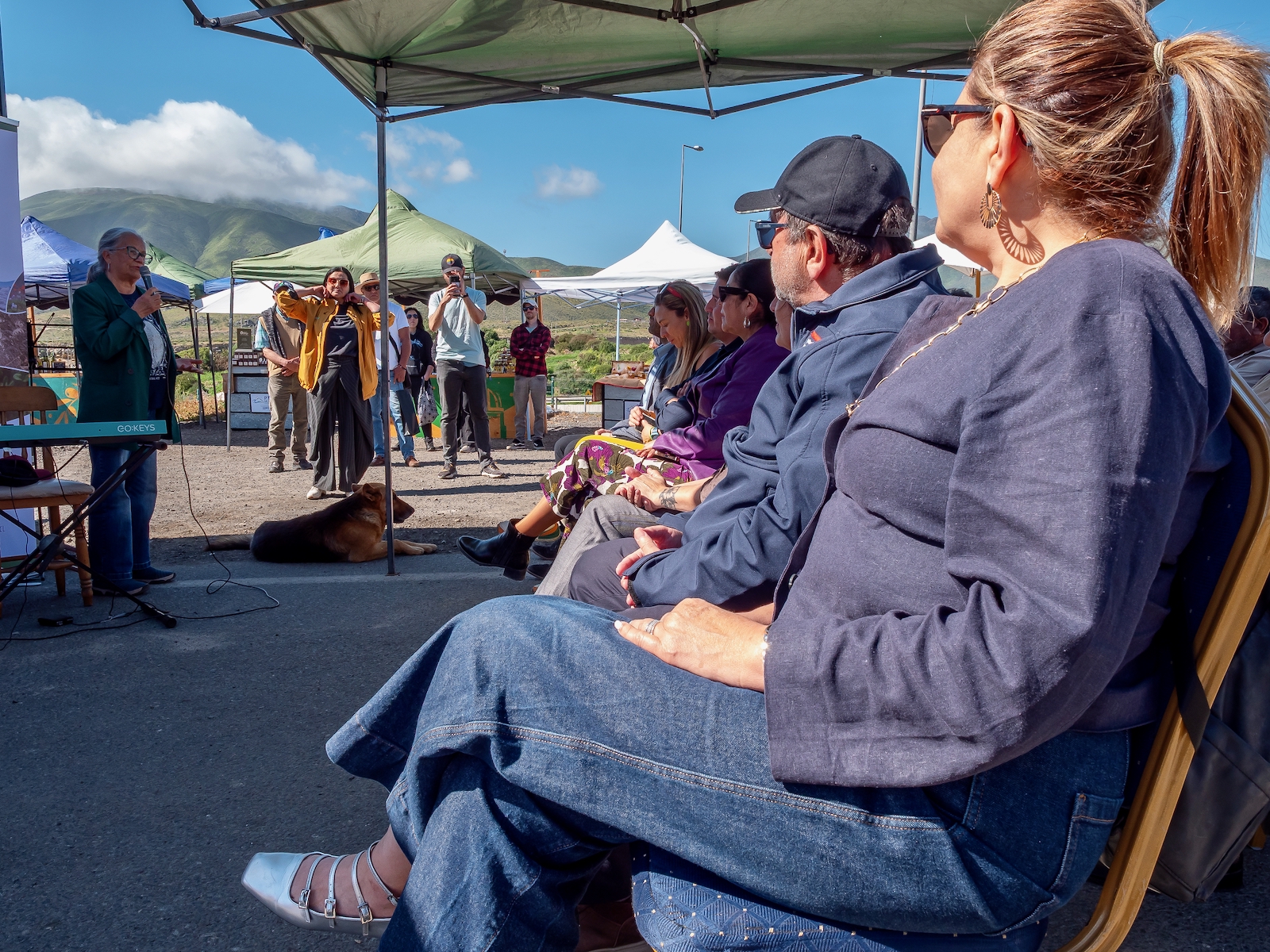
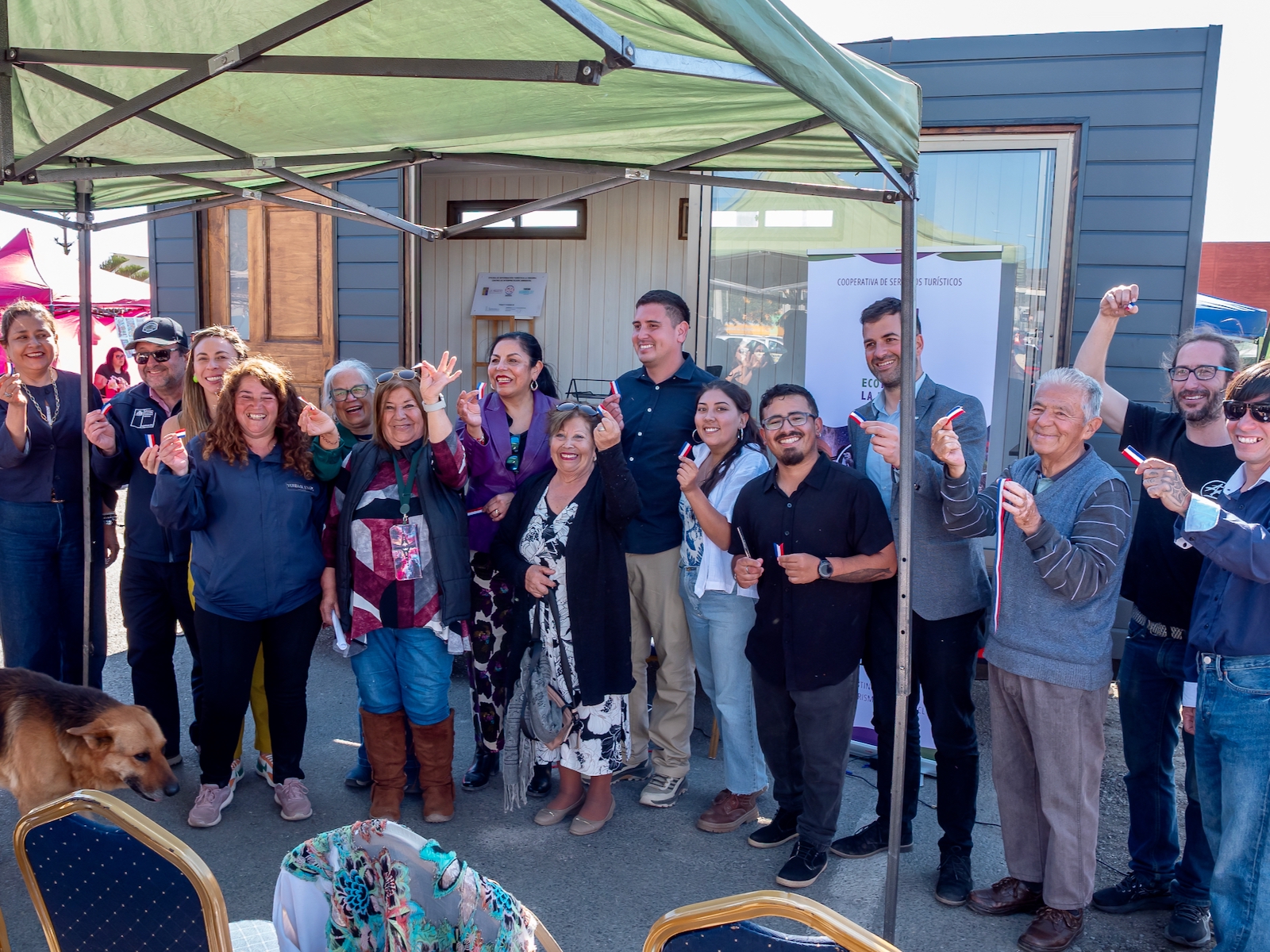
For the inauguration, representatives from many institutions gathered around the “Penguin Mobile,” including the regional director of CORFO (3), the regional director of Sernatur (4), the mayor of La Higuera, the director of the Center for Business Development, the regional director of the Service for Biodiversity and Protected Areas (SBAP), representatives from CONAF (5), Regional Councilor Ximena Ampuero, as well as business owners, representatives of organizations, and guests. The celebration took place as part of the second Sustainable Tourism Fair, which promotes the region’s businesses, products, services, and attractions.
A Turning Point for Tourism in La Higuera
For Marcelo Villalobos, president of the La Higuera Sustainable Tourism Association and the environmental movement “Camanchaca,” the inauguration marks “a turning point for tourism in the municipality of La Higuera. With the opening of this tourism office, we will be able to showcase our attractions, products, and services to the many people who visit the municipality’s sites.” Furthermore, in his view, the mobile office is intended to serve as a promotional platform for everyone working in the tourism sector. He also acknowledged the support from and collaboration with the Fundación Sphenisco Chile.
The mayor, Uberlinda Aquea, also highlighted the commitment and collaboration with the Sphenisco Chile Foundation on municipal initiatives: “Sphenisco has been active in the municipality for a long time, including through the exhibition in Yerba Buena. I believe it is important that our organizations continue to develop such projects together with the municipality to advance the municipality of La Higuera.” Regarding the new facility, she highlighted its dual purpose: “The mobile tourism information center is tasked with providing all tourist information about the entire region, but it also serves to inform and educate the public about environmental issues in our community, particularly regarding the marine protected area.”
Angélica Funes, Regional Director of Sernatur (4) Coquimbo, praised the implementation of the project and the active role played by local entrepreneurs: “Today is a very special day, not only for La Higuera and Caleta Los Hornos, but for the entire region. This project is being carried out by a cooperative of very young people—entrepreneurs who have recognized tourism as one of La Higuera’s key activities. This is reflected in the mobile information service for tourists, which adds value to this destination and enables better experiences.”
Sphenisco Chile and Community Development
The construction of the mobile office is the second community infrastructure project to receive both substantive and financial support from the Sphenisco Chile Foundation. The financial support was made possible by the Bremerhaven Zoo and Sphenisco e.V. in Germany. The first project was the Environmental Information Center in Yerba Buena. Both initiatives share the same goal: to create spaces that enable residents and visitors to learn about and appreciate the natural heritage, with the aim of protecting it on the one hand and promoting local development on the other. In this context, Nancy Duman, Executive Director of the Sphenisco Chile Foundation, expressed her satisfaction at supporting projects that arise from the needs and aspirations of the communities: “We are pleased to have contributed to these projects and believe that an exciting future lies ahead, in which people will come to appreciate this wonderful place—this bay and this community - (…) through these projects as well.”
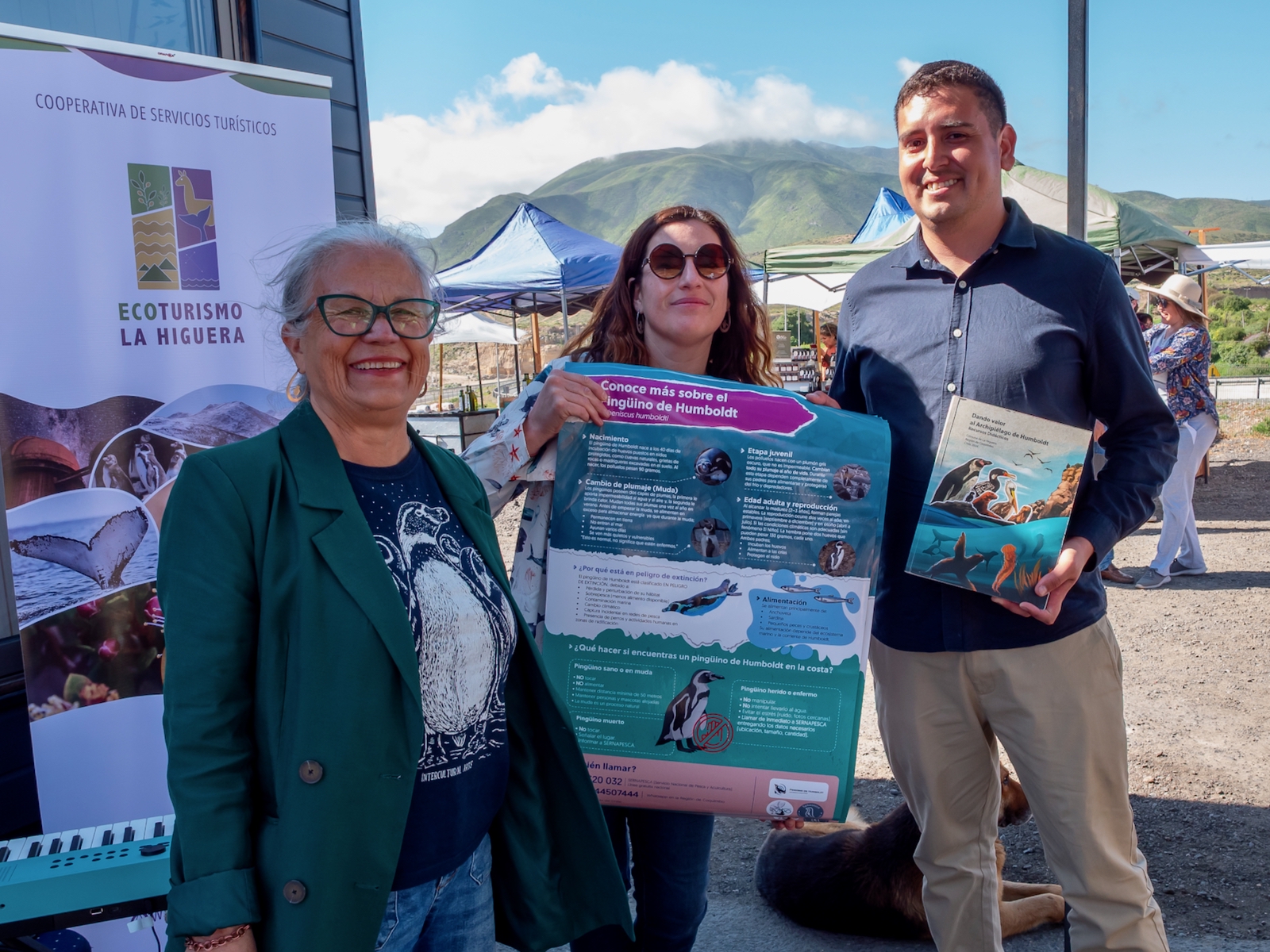
During the event, Fundación Sphenisco Chile distributed copies of the book “Dando Valor al Archipiélago de Humboldt” (6) as well as infographics about the Humboldt penguin. Both educational resources promote environmental education and knowledge about this iconic species and its ecosystem.
Beyond improving infrastructure, the “Mobile Office” project demonstrates the ability of local organizations to develop significant projects through persistent effort, institutional cooperation, and a shared vision for the future. This shows that sustainable tourism can become a tool for economic development, regional identity, and the protection of La Higuera’s natural heritage.
W.K.
Notes
For the sake of readability, the generic masculine form is used in this article. Unless otherwise indicated, references to people in this article apply to all genders.
(1) Sources:
https://www.facebook.com/p/SpheniscoChile-Ong-100076356127078/
https://www.sphenisco.cl/noticias
(2) The environmental movement Camanchaca, based in Calete Los Hornos, takes its name from the banks of clouds that form along the Chilean coast near the Atacama Desert and move inland.
(3) Corporación de Fomento de la Producción (CORFO) (Eng.: Corporation for the Promotion of Production) is an agency under the Secretariat of Economy in the Coquimbo Region.
(4) Servicio Nacional de Turismo. Eng.: National Tourism Service.
(5) Corporación Nacional Forestal (CONAF). (Eng.: National Forestry Corporation.) The Chilean forestry agency responsible for, among other things, overseeing national parks, nature reserves, and national monuments.
(6) (Eng.: Showcasing the Humboldt Archipelago.) The textbook was financially supported by the Krefeld Zoo in Germany.
translated by Angelika Veelken using/reviewing deepl.com