Landau, February 24, 2026.
Civil society groups in Chile and penguin lovers around the world can hardly believe it. First, on February 13, 2026, the Humboldt penguin was declared a natural monument by the Chilean government, thereby improving protection for this endangered species. Then, just eight days later, environmentalists celebrated another major success. On February 21, 2026, the Chilean judiciary's online portal reports on the Dominga project: "The Antofagasta Court of Appeals overturns all measures ordered by the First Environmental Court" (1).
As a reminder
On January 8, 2025, the Chilean government once again rejected the Dominga mining and port project (2). As expected, Andes Iron, the owner of Dominga, lodged an appeal. The competent First Environmental Court in Antofagasta ruled that the government must make a new decision within ten days. Lawyers representing Alianza Humboldt Coquimbo Atacama (3) and other civil society groups deemed the decision in favor of Andes Iron to be clearly unlawful and announced that they would be filing lawsuits (4). Marcos Emilfork (5) argued at the time: "By ordering Dominga to be approved, the First Environmental Court is doing something that is strictly forbidden, namely influencing the decision of an authority, in this case the Ministerial Committee. The court is not authorized to replace, in technical terms, all information that raises doubts about the feasibility of this project. This is the sole responsibility of the administrative authority" (4).
Andes Iron is currently embroiled in another bribery scandal involving its Dominga project. At the end of 2025, Chilean media reported that investigations had been launched against the company on suspicion of bribery, influence peddling, and other crimes in connection with the decisions of environmental courts in the Dominga case. Sphenisco reported on this under the headline "New bribery scandal – were court rulings bought in favor of 'Dominga'?" (6).
Appellate Court Decision of February 21, 2026
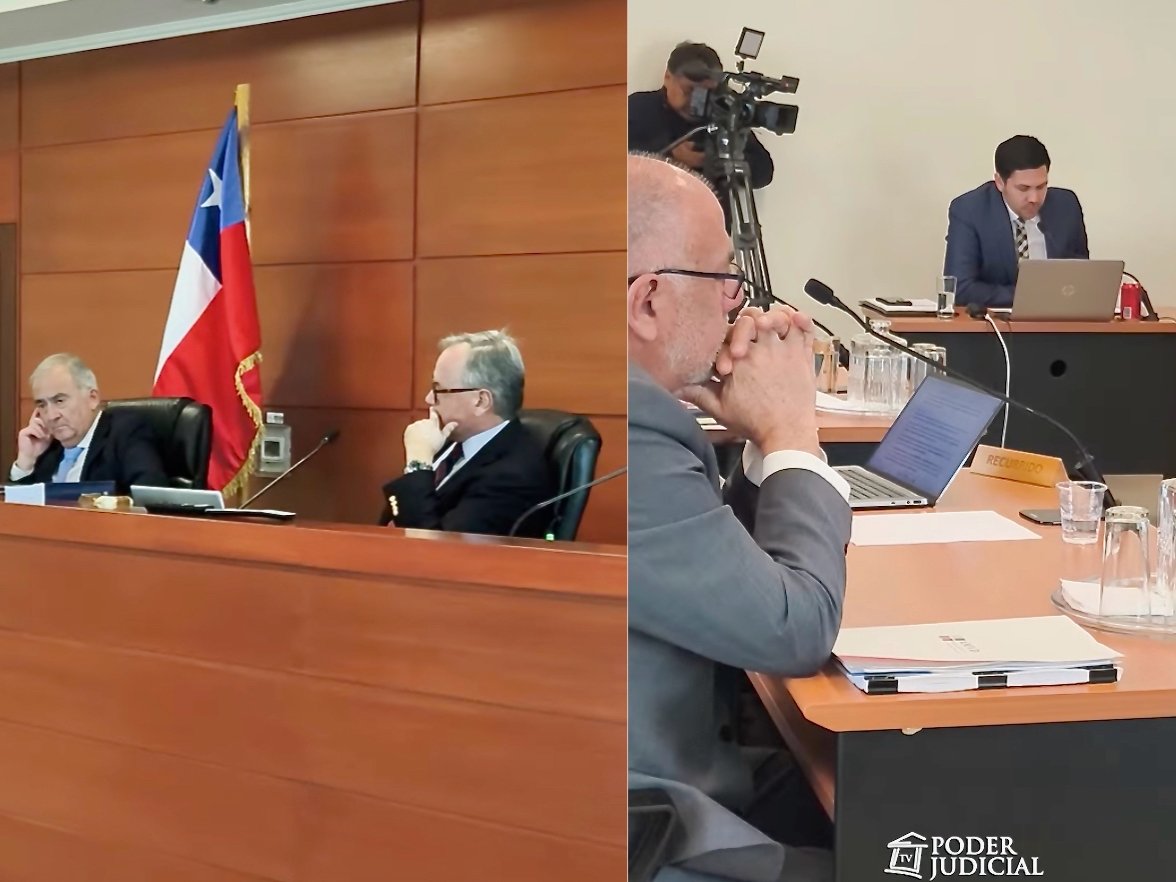
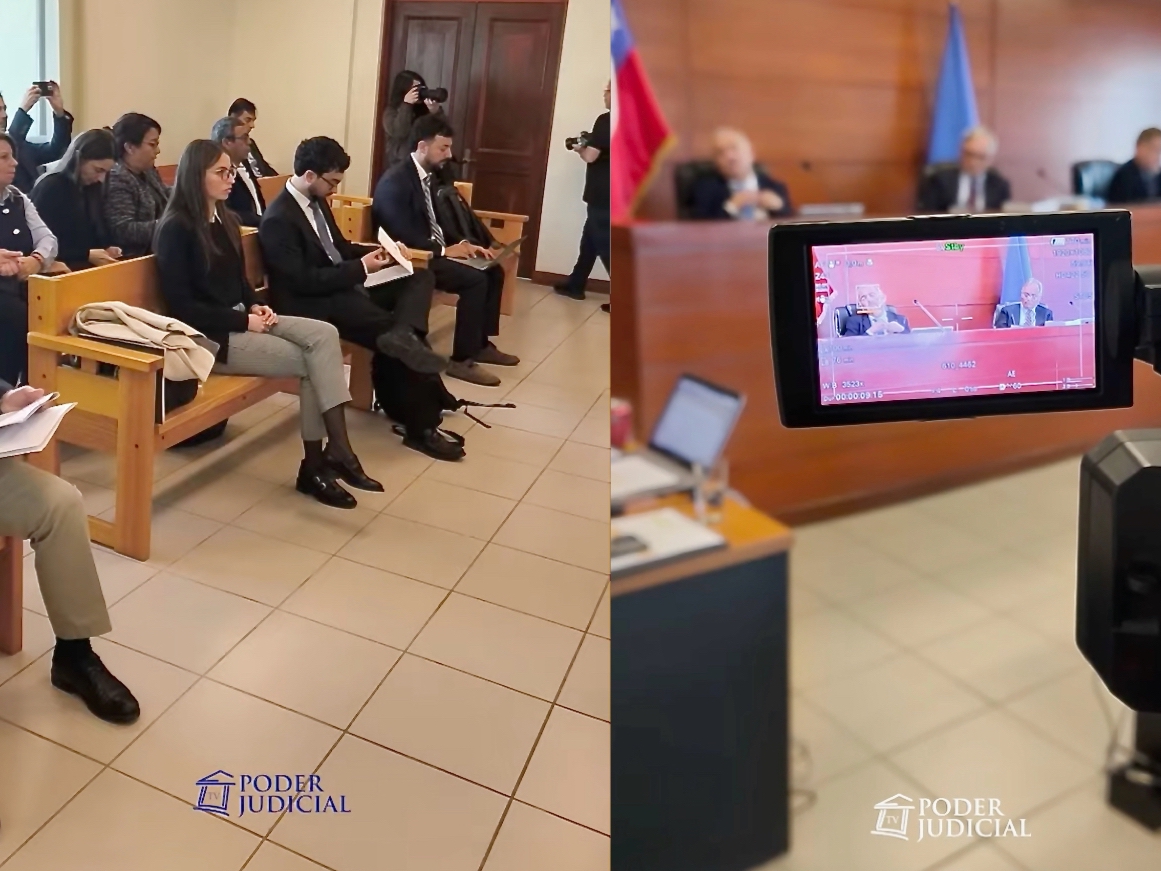
The Court of Appeals in Antofagasta has now concurred with this opinion. In a unanimous decision (file number 2-2025), the Second Chamber of the Court of Appeals—composed of judges Dinko Franulic Cetinic, Eric Sepúlveda Casanova, and Jaime Rojas Mundaca—ruled that the decision made by the First Environmental Court in February 2025 did not correspond to a case provided for by law, and was therefore unlawful.
The Second Chamber states as grounds: “The judgment (of the First Environmental Court) did not establish any rights in favor of any of the parties involved, nor did it make a decision regarding the assessment of the project. This court proceeding neither confirmed nor overturned the decision of the Committee of Ministers, but rather declared its decision null and void and ordered a new decision.” The reasoning goes on to state that it is “clearly inadmissible and unlawful for a court, in the context of an appeal against the enforcement of a decision, to comment on essential issues relating to the environmental assessment procedure, in particular on the limits and competences of the authorities involved.” (1)
Finally, the Court of Appeal stated: “For these reasons, and taking into account the provisions of Articles 83 et seq. of the Code of Civil Procedure, the entire proceedings for the enforcement of the civil action in case R-95-2023 of the First Environmental Court of Antofagasta are hereby declared null and void, and it is instead determined that the application of the decision in the appellate instance is inadmissible in view of its legal nature.”
This ruling is extremely important in many respects. With its decision, the Court of Appeals has strengthened confidence in the rule of law and the fight against corruption. The decision also reinforces the hope that the legally enshrined protection of the Humboldt penguin (7) can also be enforced through legal means (see also PDF press release from Alianza Humboldt dated February 22, 2026).
W. K.
notes
For better readability, the generic masculine form is used in this article. Unless otherwise indicated, the terms used in this article refer to all genders.
(1) Dominga Project: Antofagasta Court overturns all proceedings in compliance phase ordered by environmental court.
https://www.pjud.cl/prensa-y-comunicaciones/noticias-del-poder-judicial/142216
(2) Article "Dominga rejected again..." January 12, 2025, on these pages.
(3) Humboldt Coquimbo Atacama Alliance. Association of over 150 Chilean and international organizations that have set themselves the goal of protecting the Humboldt Archipelago from destruction. The Humboldt Archipelago is an ecosystem of global importance for the preservation of biodiversity and is home to the largest part of the Humboldt penguin population and other endangered species.
(4) Article "Unlawful ruling in favor of Dominga" dated February 22, 2025, on these pages.
(5) Marcos Emilfork, legal coordinator of the NGO FIMA and representative of, among others, the Association of Fishermen and Shellfish Farmers of Los Choros.
(6) Article "New bribery scandal – were court rulings bought in favor of 'Dominga'?" dated January 13, 2026, on these pages.
(7) The national plan for the restoration, conservation, and management of the Humboldt penguin (Recoge Plan) has the force of law, and the regulations governing natural monuments are also binding.
translated by Claudia Fawer